




Yes, We Walk for a Living. Here’s How We Test Barefoot Shoes
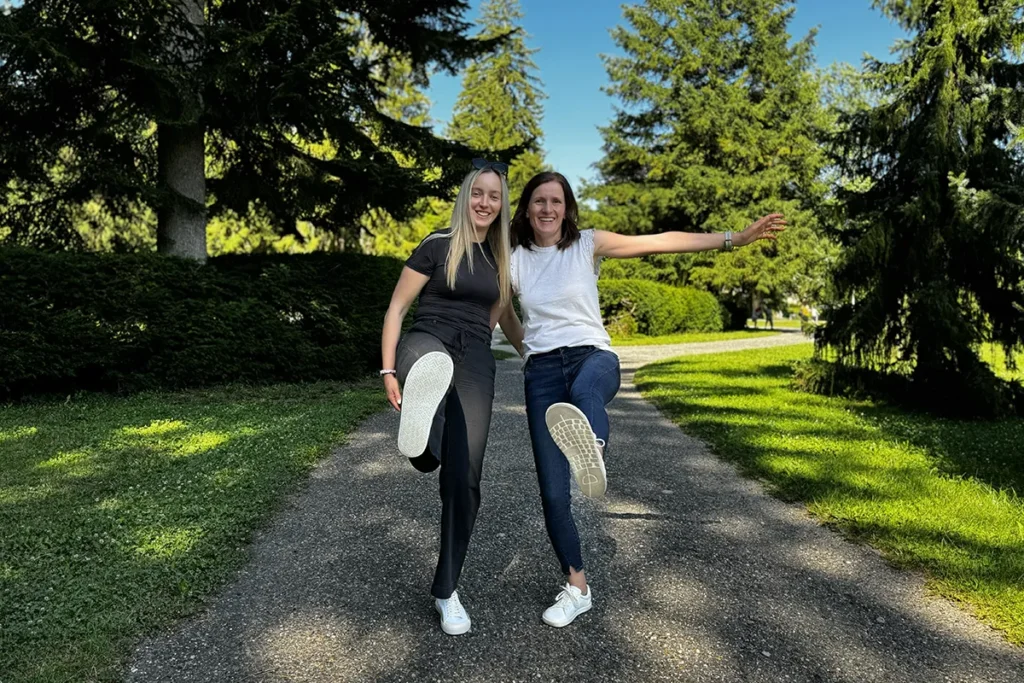
It’s true, we really do test every shoe we write about.
We walk, run, climb, and even chase after our kids in them. Every review you read on Barefoot Universe comes from shoes we’ve personally tested, often for weeks or months, across city streets, muddy trails, rainy mornings, and long workdays.
Our testing isn’t about ticking boxes. It’s about feeling what your feet will actually feel.
Why Our Testing Is Different
Barefoot shoes aren’t like regular shoes, so they shouldn’t be tested like regular shoes.
We look at how they move with the body, how they follow the natural shape of the foot, and whether they actually deliver the freedom they promise.
Over the last 12 years, we’ve tested over 1,000 models from more than 100 brands, worn by different foot types, widths, and ages, from toddlers to trail runners. We’ve seen soles separate, materials shine, and brands evolve.
Our goal is simple: help you find shoes that actually fit your feet, not the other way around.


How We Get the Products We Review
Some shoes come from brands who want us to test their models. Others we buy ourselves because we’re simply curious.
But here’s the key: every shoe gets the same treatment.
We don’t guarantee coverage, and we don’t promise positive reviews. If a shoe passes our barefoot standards, we’ll say so. If it doesn’t, we’ll say that too.
We also keep many pairs for long-term testing, so we can see how they hold up over time. It’s not unusual to find barefoot shoes scattered around our hallway, living room, or even bathroom – all waiting for their next durability check-in.
Where Our Know-How Comes From
We’ve been in this space since the early days of the barefoot movement, before most brands even existed.
Our experience comes from a mix of real-world wear, hands-on product analysis, and ongoing conversations with designers, physiotherapists, and shoemakers.
Whenever possible, we visit factories and workshops to see how shoes are made: from the foot-shaped lasts to the choice of leather, knit, or sole materials.
We also talk to brand founders, designers, and material experts to understand why certain design choices were made.
And because we’ve tested thousands of pairs, we’ve developed a keen sense for what actually works on the foot, not just what looks good in marketing photos.
What Our Testing Looks Like in Real Life
1. First Impressions
When a new pair arrives, we unbox it like anyone else, curious and slightly skeptical.
We take detailed photos, measure length and width (using Plus12 and digital calipers), weigh the shoe, and check how flexible and foot-shaped it really is.
If something feels off, we note it. If it feels amazing, we note that too.


We also look at materials, stitching, gluing, and overall build quality to see if first impressions match the brand’s promises.
2. The First Week
We wear the shoes daily in real life: walks, errands, gym sessions, playground runs, and dog walks.
We test them on different surfaces such as concrete, gravel, wet grass, slippery tiles, and in different weather whenever possible.
At this stage, we’re paying attention to comfort, fit, and how our feet feel at the end of the day.
That means checking for:
- Toe freedom and volume fit – no pinching, sliding, or heel lift
- Flexibility and ground feel – how naturally the shoe moves with the foot
- Warmth and breathability – whether it keeps us cozy in winter or breathable in summer
- Traction – does it grip well on wet tiles, painted crosswalks, gym rubber, or rocky trails?
- Noise and feel – squeaks, stiffness, or outsole “slap” that might affect comfort
3. The Long Haul
We wear each pair long enough to really know it, usually around 50 km (30 miles) of real use across different terrains and conditions. Some shoes show their strengths and weaknesses much sooner, while others stay in rotation for months as we track long-term wear.
We track how they age: how the soles wear down, whether seams hold, how easily they clean, and whether materials soften or stiffen over time.


We also test claims directly:
- If a shoe says it’s waterproof, we take it out in the rain.
- If it promises warmth, we wear it in the snow.
- If it claims breathability, we test it on a hot day.
- If it’s meant for sports or hiking, we put it through actual workouts or trail walks.
We also note how materials respond to daily life: how leather ages, how synthetics stretch, and how long it takes for a shoe to dry out after getting soaked.
4. Real-World Fit Testing
One thing that makes our testing unique is that we can try the same shoe size on different feet.
We’re lucky – both of us wear the same size, as do several family members (including Katja’s dad and mum, brother-in-law, and father-in-law). That means we can test how the same model fits different foot widths, shapes, and volumes, from narrow to wide, low to high volume.
This helps us see not only how a shoe fits our feet, but how adaptable it really is to others.
5. Brand-to-Brand Comparisons
We also make direct comparisons between different brands and models, always in the same size and similar use-case category.
That means comparing hiking boots with hiking boots, sneakers with sneakers, and so on.
We look at how they differ in fit, flexibility, sole thickness, traction, build quality, and comfort, so readers can understand which brand or model might suit their own feet best.


6. Beyond Performance
There’s more to a barefoot shoe than how it feels on your feet. We also look at what it’s made of and what that says about the brand.
That includes:
- Innovation and function – small design decisions that actually make the shoe more wearable, not just new for the sake of “new”
- Sustainability signals – leather sourcing, recycled or natural materials, repairability, and packaging
- Brand values and communication – how open, honest, and reliable a brand is in its partnership and customer relationships (we’ve learned that transparency in collaboration often reflects transparency in product quality, too)
- Sizing reality – we compare real measurements and insole tracings with brand size charts to note if you should size up or down


We don’t publish numeric scores because what matters most is the experience.
Our reviews describe how each shoe performs in daily life, what kind of foot it fits best, and whether it’s worth your trust (and your toes).
Durability (How We Check “Will It Last?”)
We can’t wear every pair for years before publishing a review, though we often do for shoes we keep in our own wardrobes (and on our kids’ feet).
To evaluate durability early on, we look closely at construction quality: stitching, gluing, upper material stress points, and sole composition. We track how the shoe behaves after bending, twisting, soaking, and drying because barefoot shoes flex more than most, and weak spots show up fast.


We also check:
- Outsole wear: is the tread holding up or flattening too quickly?
- Upper stress points: do seams or glued areas start to give way?
- Flex lines: do cracks appear where the shoe bends most?
- Cleaning response: do materials fade or hold their look?
And then there are the kids – our ultimate durability testers.
Kids test shoes harder than any adult ever could – from playground abrasion to puddle jumping – and their results say a lot about quality. Many pairs stay in rotation for months (sometimes even years) as they get passed down through the family, giving us genuine long-term insights we add to our reviews over time.


If a shoe fails early, we share exactly where and why. If it stands up to everyday life, weather, and playground chaos, we celebrate it.
How We Measure (Without Making It Boring)
We use simple but reliable tools: Plus12 for internal length, tape measure for width, digital scale for weight.
We photograph everything, from brand-new pairs to well-worn soles.
You’ll often see comparison photos (same size, different brand) because fit and shape are where barefoot shoes truly differ, and where photos say more than charts ever could.
Who’s Behind the Testing

We’re Katja and Tjaša – two barefoot shoe testers who’ve been doing this long before it was cool.
Together with our families, kids, and athlete friends, we test every pair ourselves.
Different feet, shapes, and lifestyles give us the full picture:
- Katja & Tjaša: test every pair together, comparing notes on fit, flexibility, and everyday comfort.
- Athlete friends: help us assess performance and grip under more demanding movement.
- Kids test durability (no one tests better than a child on a playground).
When we say we’ve tested something, we mean it’s been lived in, not just tried on.
Our Promise of Transparency
We sometimes receive samples from brands, but our reviews stay independent.
If something doesn’t work, we say it.
If a shoe doesn’t meet our barefoot standards, we share detailed feedback with the brand and return the pair. Only shoes that truly meet our criteria make it to the site.
You’ll always get the full picture – the good, the bad, and the “almost there.”
- We also buy many pairs ourselves.
- No brand can buy a spot on our “Best” lists.
- Critical feedback stays in – that’s how the industry improves.
Why You Can Trust Our Reviews
- Hands-on testing: Every pair is worn, photographed, and measured by us.
- Real-life scenarios: We test how people actually live, not in lab conditions.
- Diverse testers: Different foot shapes, widths, and preferences.
- Long-term updates: We revisit reviews after months or even years to track durability.
- Affiliate transparency: We use affiliate links, but we never let brands influence what we write.
FAQ: Our Testing Methodology
Who tests your shoes?
We (Katja and Tjaša) lead the testing, joined by our families and athlete friends. This mix gives us honest feedback from different ages, lifestyles, and foot shapes.
Do you test every shoe the same way?
We adjust based on purpose. Hiking boots go on trails. Gym shoes go to workouts. Kids’ shoes go to playgrounds and classrooms. Every pair is worn long enough to understand how it performs in real life – from a few intense days to several weeks or more, depending on the model.
What happens if a shoe fails?
We mention it. We highlight where it works and where it doesn’t so you can make an informed choice.
If a shoe clearly fails to meet our barefoot standards during testing, we share detailed feedback with the brand and return the pair instead of publishing a review.
Do you test in all seasons?
Yes. We wear winter models in freezing weather and sandals in summer heat, so our impressions match their intended use.
How do you measure fit?
We assess fit mostly by how the shoe feels on real feet with different widths and volumes. After testing and comparing hundreds of models, we’ve developed a very accurate sense for what a good fit looks and feels like.
We use the Plus12 tool to check internal length, while the rest comes down to lived experience and careful comparison between models and foot types.
Can readers suggest what to test next?
Absolutely. You can always share your suggestions via our contact form – we love hearing what you want us to review next.
In short
We don’t just write about barefoot shoes. We live in them.
Every review is the result of hundreds of steps, dozens of notes, and a lot of muddy shoes.
Because your feet deserve honest advice from people who actually walk the talk.